Introduction
According to the outcome of the questionnaires and the previous research, we managed to demonstract the work from home experience during the pandemic period is affected by the division of housework among the family members and women seem to undertake more responsibility of housework and childcare than men, which, to a large extent, might cause gender inequality in the workplace. In this section, we explore how people use social media to repsonse to this kind of gender inequality in China.
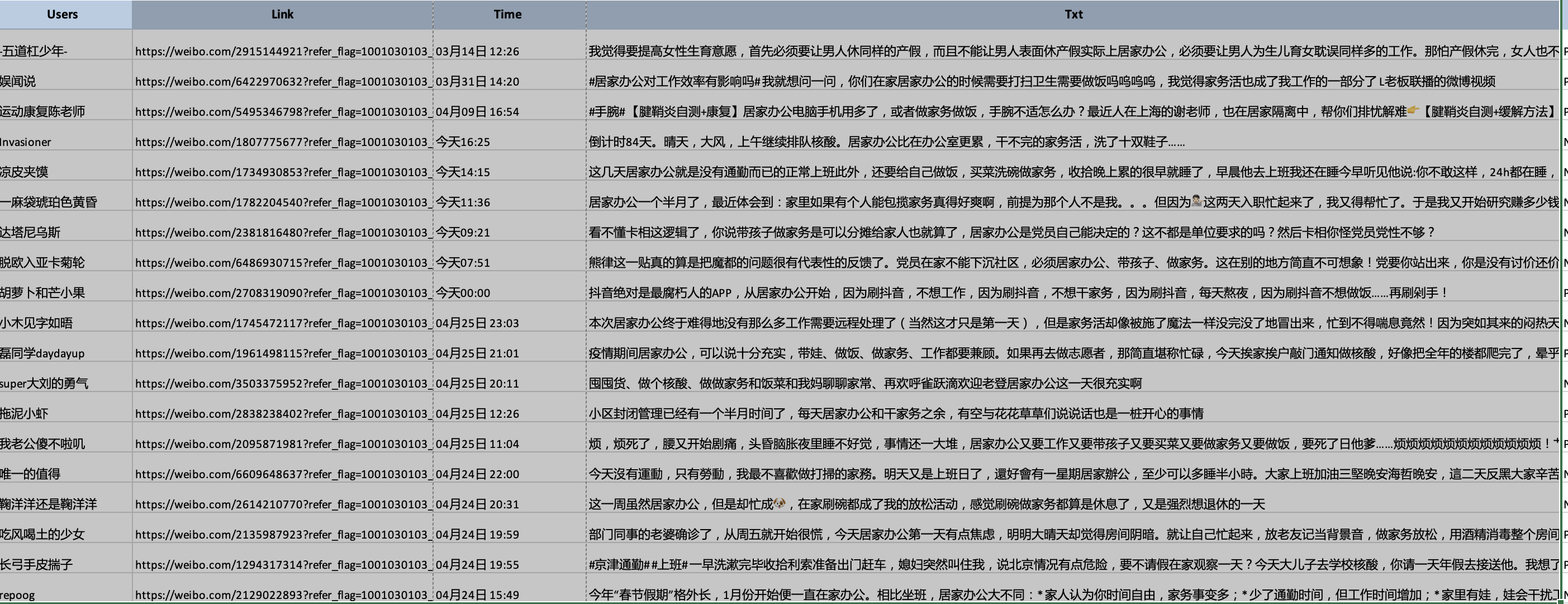
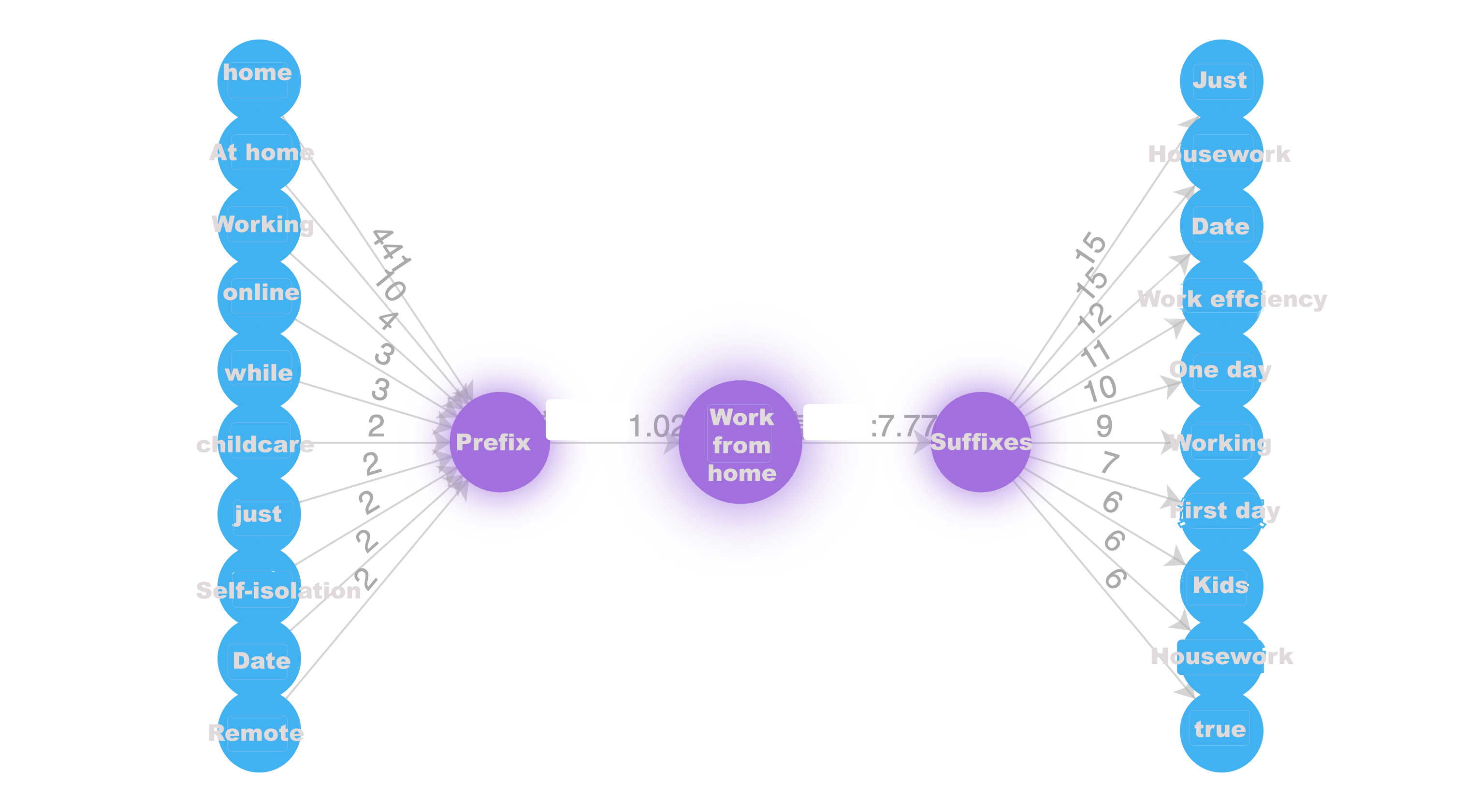
During the pandemic period, people force to stay at home and the social media have taken the centre stage of communication more than ever (Saud, Mashud and Ida, 2020). And in China, in particular, as the massive national-wide quarantine have been conducted since 2020 and still conduct in some area in 2022, soical media have undertaken the function of pandemic update, seeking social support, moreover, people also tend to self-disclosure their own experience on social medis during the pandemic period as other communication forms have beem affected by the self-isolation policy. Sina Weibo is one of the most used social media, with over 500 millions users by 2020, have played a unique role during the pandemic period (Wang et al., 2020). By analysing the media post on Weibo, we can have insight in people's opinion on work from home and whether work from home will cause gender ineuqality in workplace. We choose the keywords of "work from home", "housework", "gender" and "effciency" and filter the time period from 2020 to April 2022. And we collected overall 493 posts from Weibo.
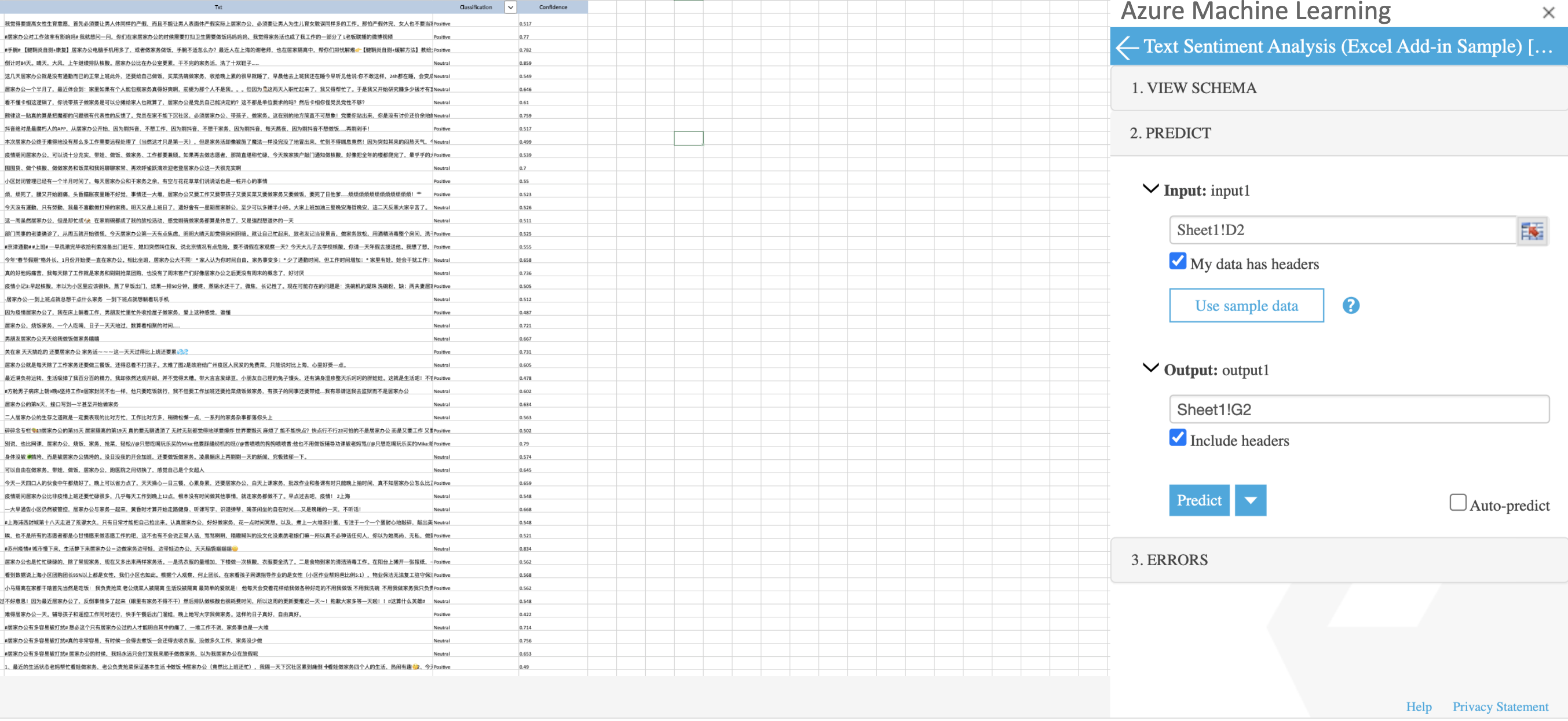
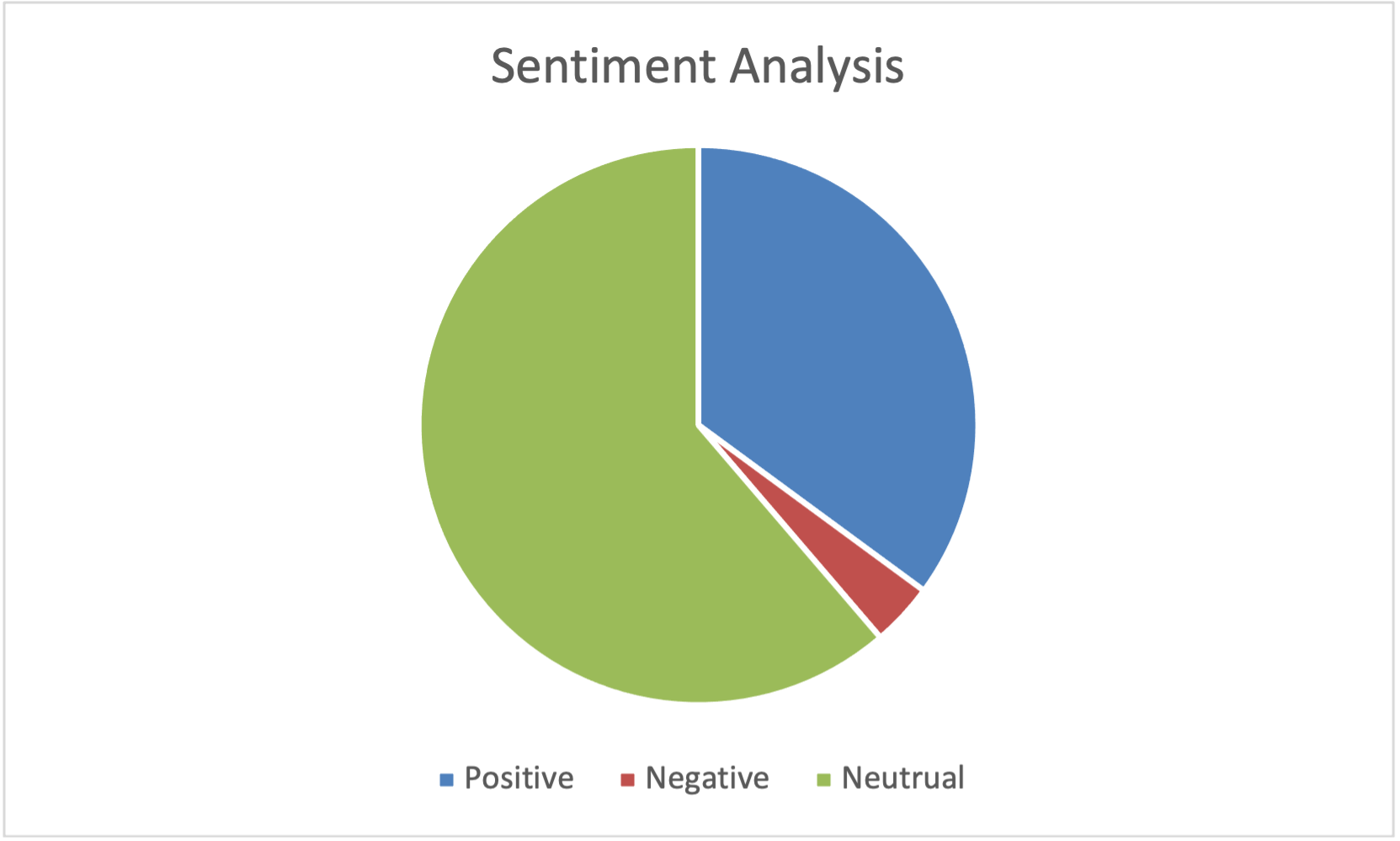
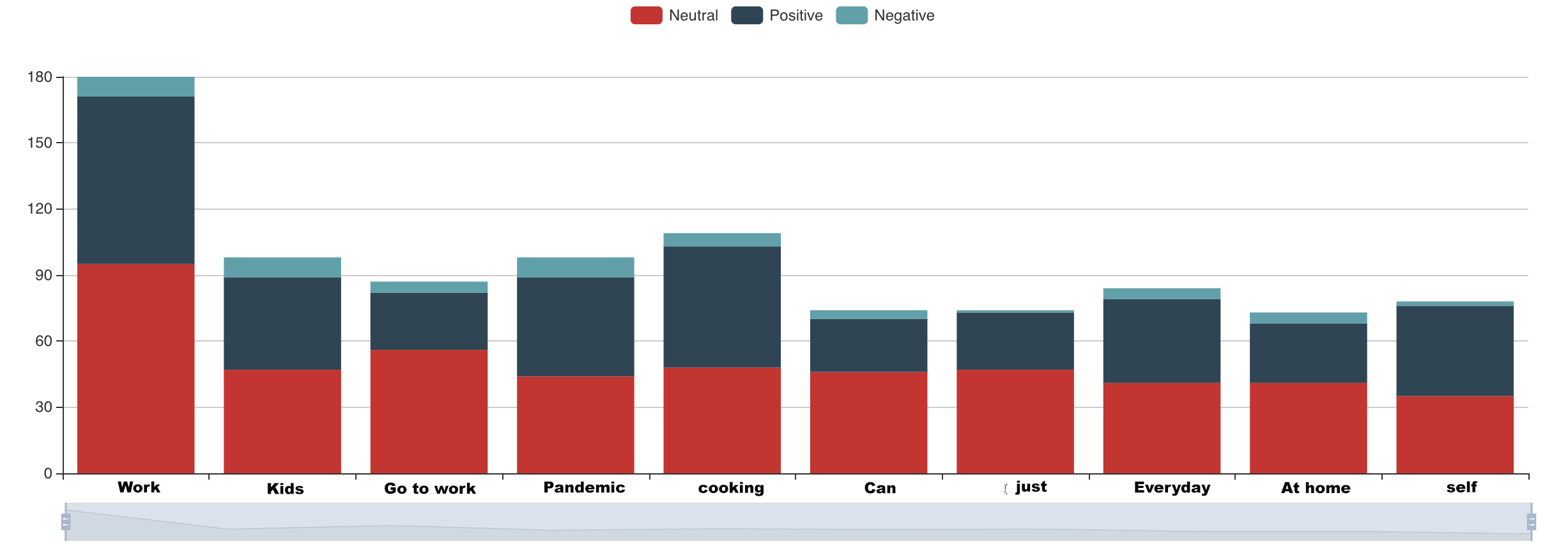
As we want to demonstrate the people's reponse of work from home and gender inequality on social media, we tend to use the qualitative method to analysis the data we collect on the social media. We choose to use the content analysis and sentiment analysis to anlyze the relationship between gender inequality and work from home experience and people's emotional response.